
Buying solo? How to stop second-guessing yourself

Have you ever been the one responsible for making a big decision at work? One that could change the direction of a business, or someone in your team's career?
There's a lot riding on it. And in that moment, you've probably felt yourself second-guessing whether you're the right person to make these calls.
Buying property can feel like that because it's another scenario where the stakes are so high. It's probably the biggest financial decision you'll make in your life, so it's completely normal to feel nervous and start second-guessing everything, especially during negotiation.
Aside from the scale of the decision, there's also social pressure and fear of missing out. Or you might have family in your ear nudging you in another direction. It's a complex compounded with external influence, and when you're buying solo, the pressure can feel immense making the decisions on your own.
So here's a few tips and steps to avoid second-guessing yourself when you're a solo buyer.
1. Do the prep work before it gets emotional
Pick a time after work or on the weekend, when you're free from distraction, and map out what the buying process actually looks like from start to finish.
Once you map it out, you'll see where your gaps are. These gaps usually come in two forms: gaps in your team and gaps in your knowledge.
Gaps in your team. You might not have a mortgage broker, conveyancer, lined up yet. Put it on your to-do list. You don't want to find a property you love and then scramble to find one.
Gaps in your knowledge. Do you know what your budget can buy you? What compromises will you make? How confident are you in your ability to price a property and work out what it's worth? If you're not clear on brief, or confident on price, pop those on your action list. Maybe you don't know the agents in the areas you're looking at. Another action item: start going to inspections, meeting agents and getting a feel for how the industry works.
Your action list:
- Critically assess my budget and brief against the market reality
- Map out the buying process, start to finish
- List the gaps in your team (conveyancer, broker, building and pest inspector)
- List the gaps in your knowledge (pricing, local agents, due diligence)
2. Homework time
I love a list to get thoughts out of my head and onto the page. The tricky part is the doing part. But here goes...
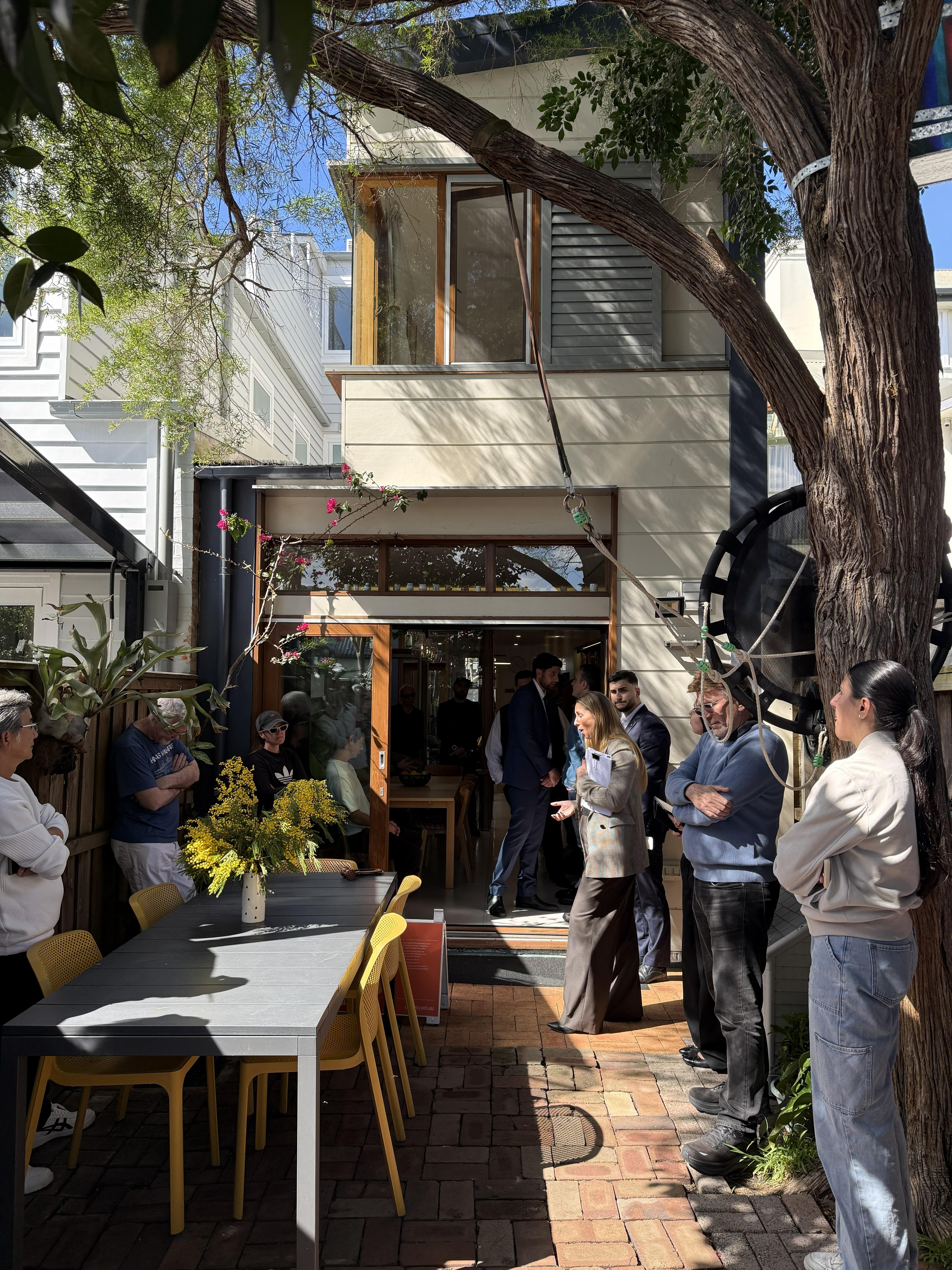
Dedicate the next month or so of Saturdays to inspections. Look at properties that are roughly in line with your brief, including ones that are better and worse than what you want. That's how you get a real grip on price.
Go and watch auctions too. You'll see the dynamics on the day, and how much competition there is (or isn't) for the type of property you're after. Then track what properties are selling for, so you build a picture of what value looks like in those areas.
Another action items is clarifying the buying process itself. When you start assessing a property, what does due diligence look like, and what's best practice? There's more to do than flicking the contract to your conveyancer and booking a building and pest inspector. You need to have a grip on the existing and potential upsides and downsides of the property e.g. zoning, development applications, infrastructure coming to the area, and any negative planning or infrastructure items that could affect the property, the history of the property, any improvements and changes.
Then there's homework on the selling agent. You want to know how they operate. This includes looking at sales history and their method of sale. As you progress, you can just ask them questions like "how do you handle offers?", but to begin with, do as much research as you can.
Talk to people in the industry about what they look for. You're building your own process for when you find the one.
Your action list:
- Book in your Saturdays for the next month of inspections
- Inspect properties that are better and worse than your brief
- Watch at least a few auctions in your target suburbs
- Track what sells and for how much
- Build your own due diligence checklist: zoning, DAs, infrastructure, planning issues
3. Practice when the stakes are low
While you're doing those Saturday inspections, get comfortable talking to agents. Ask questions and build your confidence.
Be upfront when the call you back after the inspection and say something like: "I'm doing my market research and hope to be ready to buy in a few weeks. Can I ask how you're handling this campaign, and how you deal with offers? I'm getting ready and want to be comfortable with the process when the time comes." Or you can give them price feedback and then ask, Do you have any offers? What does the owner want?
These questions can feel uncomfortable but it's great practice when there's no pressure.
Your action list:
- Talk to the agents at the inspections, even if you're not interested
- Tell them you're doing market research
- Ask: How are you handling this campaign? How do you deal with offers? Any offers yet? What does the owner want?
- Notice how each agent will have a slightly different process
4. When you find a property, refer to your process
You've got your checklist and your process. You've worked hard over the past couple of months to prepare. Now it's time to implement.
Deep breaths and refer to the checklists. What's first? Who do you need to talk to? What info do you need from the agent right now? What initial checks do you need to do?
Keep in mind that every property will require you to adjust or tweak your process because of external variables. If another buyer is about to put in an offer tomorrow, you'll need to move fast: get the contract reviewed, get your building and pest inspector in, and talk to the agent to speed it all up. Or if you find something quirky in the strata report, or the development applications for example, you might need extra time to go digging for more info and add in another step or expert to help you.
Work through it methodically, and keep in touch with the agent the whole way. Understand their expectations, how they're handling the vendor and how they're handling other buyers. Stay on side with them.
If they say, "It's up to my vendor," ask it another way: "Typically, what would you expect? What are you going to recommend?" Let them know you're keen and want to work with them, but you want some clarity on where you stand before you buy the strata report or book the inspection. You don't want to waste anyone's time.
Having a process also means you won't forget things. For example, one of your checks may be to send the property address to your broker to check for any red flags. If it's on the list, you won't forget it.
And know that sometimes agents will hurry you to make an offer. If they are ready to sell and act on offers, you'll need to make a call whether to charge on with an offer yourself, or hold off and seek more info. Keep calm and ask a few questions first. "What offers do you have?" "What are those buyer's terms?" "When are you going to exchange?"
Your action list:
- Pull out your checklist when you find a property you like
- Send your broker the address
- Ask the agent what process they are running
- Get information on where you stand before paying for reports
- If time is tight, don't panic, just get to the point: "What offers do you have?"
- Stay flexible: speed up your steps if the property is moving fast, or even better, move quickly as soon as you're serious about the property
5. Back yourself
This whole process is about building the confidence to feel capable and supported. You now have a process and you've done your homework. If you are going to DIY, then you have to back yourself. Do as much market research as you can. Not just desktop research: get out there, inspect and talk to agents.
However, I can't help but say, if you find yourself thinking, "I don't know what I don't know," then it's a signal to explore outsourcing. It's my job to cover those blind spots. It takes years of working through different scenarios, variables and last-minute challenges to build robust processes and the confidence to implement. If it's too stressful or overwhelming, you will get enormous value from the right Buyer's Agent.
If you find it all too much, here's how I help:
- Full Search: For buyers who can’t dedicate their days to property, are struggling to find the right one, are unsure about due diligence and price, or don’t want to negotiate or bid. Support from start to finish.
- Collab Search: For buyers happy to search and shortlist but unsure about due diligence and price, or who don’t want to negotiate or bid. Support throughout your search.
- Evaluate & Negotiate: For buyers who’ve found a property but are unsure about due diligence and price, or don’t want to negotiate or bid. Support for a single property.
- Ask Me Anything session: For first home buyers unsure where to start. One hour, all your questions answered.
- I am also developing a First Home Buyer and Solo Buyer Package. If you're interested, send me an email.

Similar articles

Heading
Looking to buy in the Inner West?
Book a 15 minute call and we’ll talk through what you’re looking for, the areas you’re considering, and how to approach the search.