
How to negotiate property in nsw
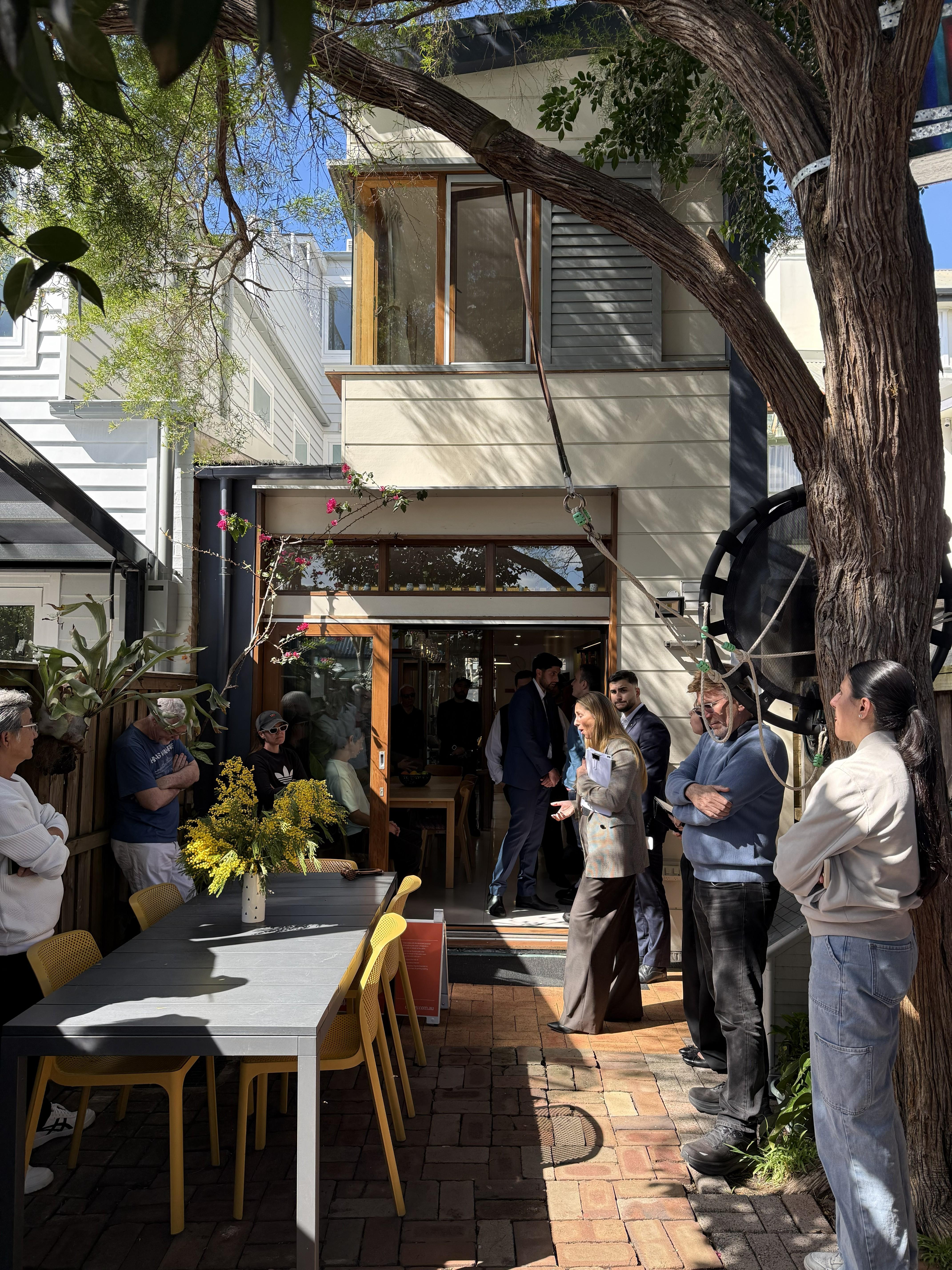
Some buyers have the time to source and inspect properties themselves. It's once they find a property they're keen on that it gets tricky. It's really hard to know when and what to offer when each sales agent, vendor, property, buyer pool is different. And any of these levers can shift during a negotiation, which adds complexity. Sprinkle in the market condition at any point in time and you never have a one-size-fits-all formula.
If you're a first home buyer in NSW, you're up against it. The city and regional markets are competitive, and you're up against sales agents who negotiates every day.
To help you build confidence and build the foundational skills, this guide covers the rules, the preparation and the tactics that level that field.
Know the NSW rules before you negotiate
The rules change depending on how the property is being sold. Know which game you're playing before you make a move.
- Cooling-off. On a private sale you get 5 business days after exchange, ending 5pm on the fifth business day. If you rescind for whatever reason, you forfeit 0.25% of the price ($2,500 on a $1 million home).
- Section 66W certificate. Your solicitor signs this to waive the cooling-off period. Agents often ask for it on pre-auction offers.
- Auctions. No cooling-off applies, and none applies if you buy on auction day after the property passes in. You need to register to bid with photo ID.
- Vendor bids. The auctioneer can make one bid for the seller and must announce it. Dummy bidding is illegal.
- Underquoting. Agents can't advertise a price below their estimated selling price or below an offer the seller has already rejected. New laws passed in June 2026 will also require a price guide on all listings and a Statement of Information backed by comparable sales, once they commence.
Prepare before you make an offer
The negotiation starts before you even consider making an offer. Set yourself up for success:
- Get finance pre-approval. Know your maximum purchase price, plus stamp duty and costs. Then, decide what maximum price you would be willing to spend on a property. Your maximum borrowing limit and maximum comfort are sometimes different.
- Work out what the property is worth. Pull comparable sales from the last 3 months: same suburb, similar size, aspect, parking and condition. Look for the nuance in the comparable sales to determine why a property sold at a certain price.
- Set your walk-away price. Decide this before you start negotiating. You can be a little flexible and add or subtract from your limit as you go through the negotiation, but no more than +3-5% of your original walk away price.
- Find out why the vendor is selling. Ask the agent how long it's been on the market, whether there have been offers, and what matters to the seller: price, a quick settlement, or a long one. Get the context to build confidence in your offer.
- Do your due diligence early. Get the contract reviewed by your conveyancer, and order building and pest (and strata, for units) as soon as you're set on the property. Any issues you find can rule the property out, or edit your walkaway price.
Negotiating a private treaty sale
In a private sale, the agent's job is to find the most you'll pay. Here are some tips to protect yourself:
- Don't reveal your maximum budget. Provide a budget range when you're in the early stages of searching. Then when you find a property you're keen on and the agent asks what price you'll pay, say your comfortable in X range but you'll do some research on sales in the area and your due diligence before committing to an offer. Give yourself some room when you provide the range because you may edit your offer depending on the due diligence findings, the details of other offers, or the readiness of the vendor.
- Ask the agent if the owner is ready to sell. Does the owner need to see market feedback or are they ready to go? If so, what price will the owner sell for?
- Anchor with evidence if you need to. If you receive pushback from the agent, then you can describe the basis of your offer i.e. comparable sales. But keep in mind, the agent knows the comps as well, if not better than you, so tread carefully.
- Clarify before you offer. Ask about the terms required by the vendor. Ask about other offers made. Ask about the terms provided by other buyers if there were offers made. Perhaps an offer was rejected not on price but on terms.
- Don't bother with deadlines unless you mean it. Unless you are actually prepared to drop the property at X time if the vendor doesn't accept, then don't include it.
- Put every offer in writing. Include price, deposit, settlement period and any conditions. You can text or email.
Pre-auction offers and auction day
Most Inner West homes go to auction in a hot market, or depending on the circumstances of the vendor. You can negotiate before the day or bid on it, and each needs a different approach.
Making a pre-auction offer
- Only offer before auction if you're ready to exchange that day: finance approved, contract reviewed, inspections done, extended due diligence including zoning, overlay, DAs, pricing analysis, deposit ready and a 66W certificate from your solicitor.
- Make it a strong offer. A vendor isn't going to sell for a price they expect to beat on the day.
- Be aware your offer may be used to test other buyers, so decide in advance what you're going to do if the offer is rejected.
Bidding at auction
- Register early, stand where you can see the auctioneer and other bidders.
- Fake it til you make it i.e feign confidence if you don't have it.
- Try to hold the highest bid. This way, you know where you stand and the other bidders are in a state of decision making.
- Don't bother asking 'is it on the market?'. The agent will usually declare once it is on the market anyway.
- Stick to your walk-away price!
- If it passes in, the highest bidder gets the first right to negotiate. Being that bidder, ask for the reserve price so you know the vendor's frame of mind.
Common mistakes buyers make
- Paying the asking price on the listing without asking enough questions.
- Trusting the price guide instead of checking recent sales.
- Making a verbal offer but not being ready to act on it.
- Having no idea how auction rules work: increasing your bid on the auction floor, rejected bids, vendors bids.
- Assuming due diligence is just contract and building and pest/strata.
FAQs
How much below the asking price should I offer in NSW?
Sometimes you need to offer within or above the asking price. It depends on your market research, and the quality of information you've been able to obtain from the real estate agent. I ask the agent to explain how they set 'price guides' or price ranges or an asking price if I'm not familiar with their process. You can say 'every agent does things differently, so with your asking price of $950,000, does this mean there is room below this price?'
Is a verbal offer binding in NSW?
No. A verbal or written offer, even if accepted, is not binding in NSW until contracts are exchanged. Until both sides sign the contract, a deposit is paid, and the contracts are exchanged, the transaction is not completed and there is a risk of gazumping.
How long is the cooling-off period in NSW?
For a private sale of residential property, the cooling-off period is 5 business days after exchange, ending at 5pm on the fifth business day. If you pull out during cooling-off, you forfeit 0.25% of the purchase price.
Is there a cooling-off period at auction in NSW?
No. Buying at auction is unconditional, and there is no cooling-off period. The same applies if you buy on auction day after the property passes in. Have your finance, contract review and inspections done before you bid.
Can I make an offer before auction in NSW?
Yes. Many Sydney vendors will consider pre-auction offers, especially strong ones. Be ready to exchange immediately with an unconditional contract and a 66W certificate. Your offer may also be used to test other buyers' interest, so there's a lot of work you need to do before you make this offer.
What happens if a property passes in at auction?
If bidding doesn't reach the reserve, the property passes in. The highest bidder gets the first chance to negotiate with the vendor. If you buy on auction day after it passes in, there is no cooling-off period.
Can I negotiate the deposit in NSW?
Yes. A 10% deposit is standard, but vendors will often accept 5%, particularly from first home buyers. Ask your conveyancer to request it in the contract. You can also negotiate the settlement period and inclusions.
What is underquoting in NSW?
Underquoting is when an agent advertises a price below their estimated selling price or below an offer the vendor has already rejected. Laws passed in June 2026 increase penalties and will require price guides on all listings once they commence.
Is it worth using a buyer's agent to negotiate?
A buyer's agent negotiates every week and knows recent sales, agent tactics and auction strategy. For first home buyers, that can mean a better price, better terms and less stress. I offer negotiation or auction bidding as a standalone service.
Would you benefit from negotiation help?
You can engage a buyer's agent just for the negotiation portion of the search. I help first home buyers across NSW negotiate or bid on their behalf.
Are you searching for property and like help with the next steps? My Evaluate Negotiate service covers the negotiation or auction and property assessment, without paying for a full search.
Book a 15 min call, request a call back, or email me at rhiannan@sourcedproperty.com.au
This article is general information only and isn't legal or financial advice. Speak to your conveyancer or solicitor before signing a contract.

Similar articles

.jpg)
Heading
Looking to buy in the Inner West?
Book a 15 minute call and we’ll talk through what you’re looking for, the areas you’re considering, and how to approach the search.