What's selling at Inner West auctions
This weekend I watched four auctions and inspected a number of properties across Annandale, Leichhardt, Newtown, Camperdown, Marrickville, Ashfield, Enmore, Summer Hill and Erskineville. Two sold and two passed in. Here’s what I noticed about what property is hot and what’s not.
What’s Hot
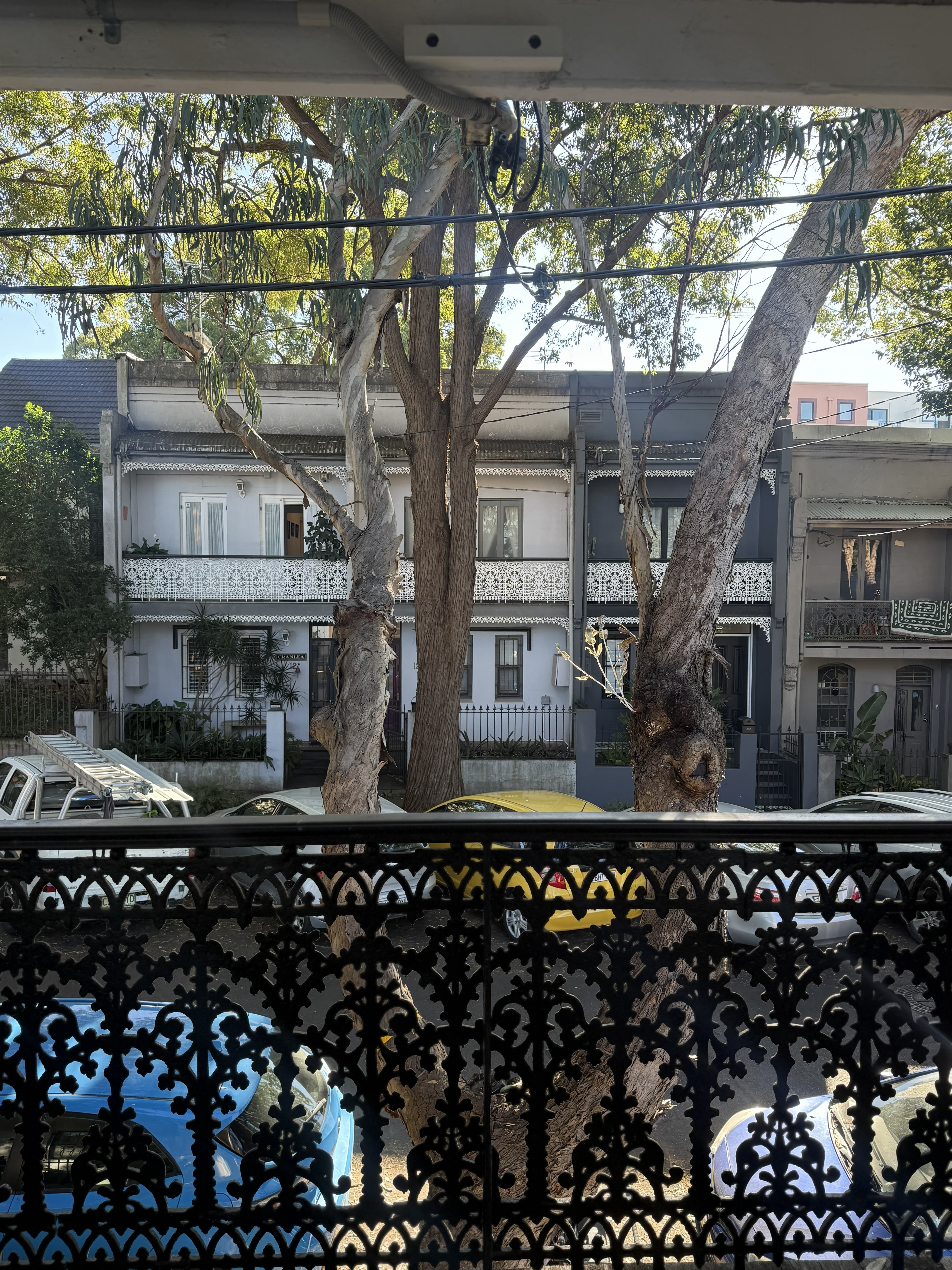
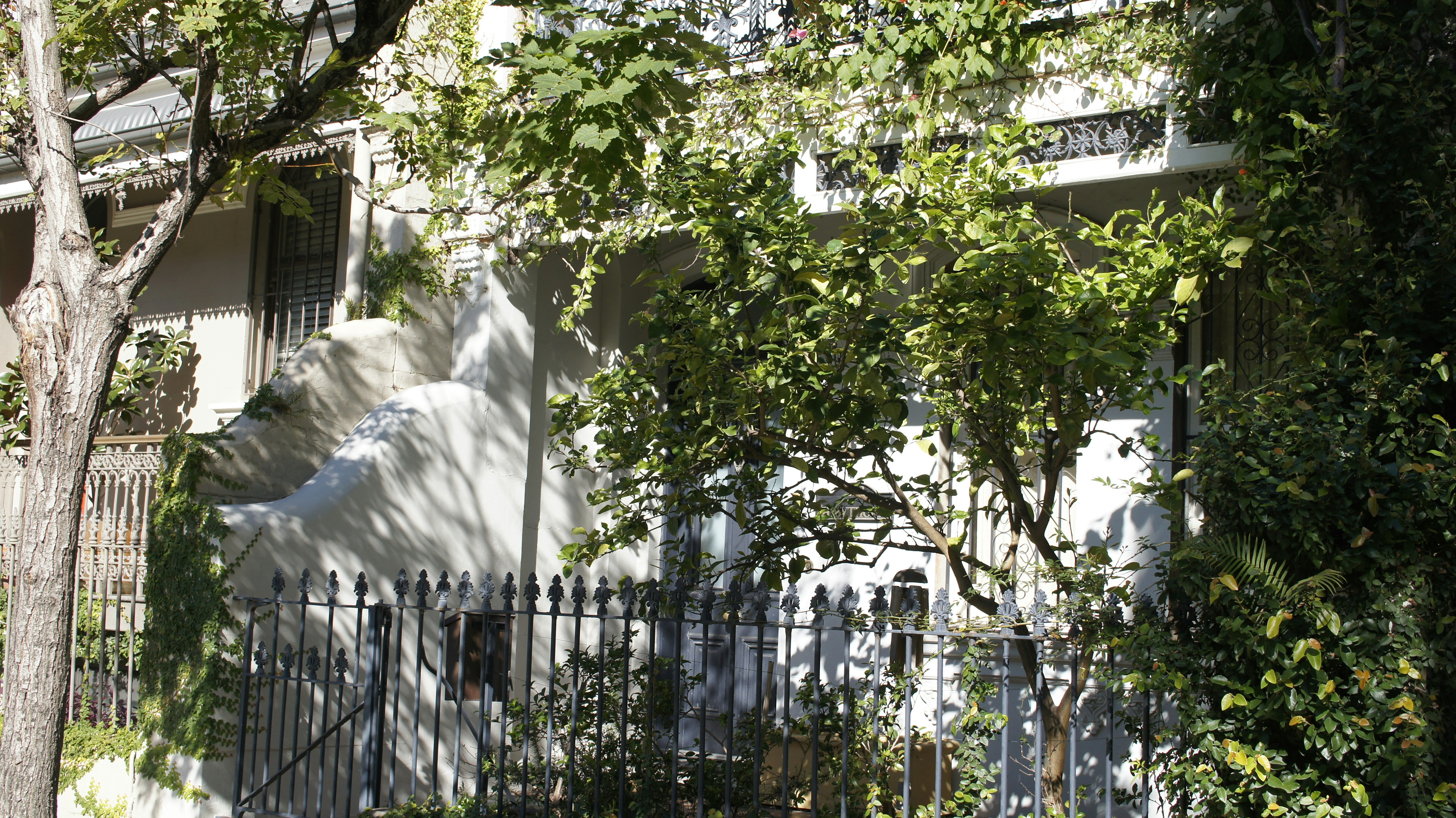
The first property that sold was a fully renovated double-storey terrace in Newtown. It was close to King Street and the train station, but far enough away to avoid the noise. Located on a quiet, character-filled street, the property had a beautiful Federation facade, three bedrooms, two bathrooms and a large lock-up garage. The reason buyers loved this property even in a softer market? It ticks two of the most important boxes for buyers: practical, comfortable living, and a convenient location. The biggest compromise was outdoor space, as there was no backyard, but sometimes people don't need a yard if their priority is a central Inner West lifestyle.
How the auction went down:
- Guide: $2.6 million
- Opening bid: $2.5 million
- Registered bidders: 5
In the early stages, four of the five registered bidders participated, mostly bidding in $10,000 increments until the price reached $3 million. Bidder "A" placed a bid of $3.01 million before Bidder "B" responded with a strong $40,000 jump to $3.05 million. That bid appeared to shake the confidence of the other bidders and bidding stalled.
At the last minute, Bidder "A" returned with another $10,000 bid. Bidder "B" responded with a further $10,000, and Bidder "A" countered with a final $10,000 increase. Bidder "B" dropped out and the property sold for $3.08 million. The sale price exceeded both the vendor’s and agent’s expectations.
The second property that sold was in Marrickville. It was a double-fronted freestanding house on 600sqm of land. The house itself required significant work and appeared largely untouched for decades. The house was in a quality location and had the potential for great street presence. The major drawcard was the land size and future potential.
How the auction went down:
- Opening bid: $2.6 million
- Registered bidders: 4
All four registered bidders participated. The bidding opened with $50,000 increments between three bidders before slowing to $25,000 and then $10,000 increments. Two bidders eventually dropped away, leaving two to compete. They continued bidding in $5,000 increments until the property sold for $3.16 million. Comparing this to other similar properties in the last two years, it's a strong result given the softer market, which speaks to the scarcity of the property.
What’s Not
The first property I saw pass in was a small two-bedroom house in the Inner West. While renovated, it came with a number of compromises. The land size was small and both the indoor and outdoor living areas were limited. It was renovated, so no obvious improvements to be made. The location was ok, but the street itself was quite narrow, and it was surrounded by more units than it was similar style houses. There was one bidder on the day, but the property was passed in after failing to meet the vendor’s expectations.
The second property that passed in was a freestanding house in the Inner West. The land size, layout and overall scale of the home were excellent. The location was reasonable, although slightly further from the station than most buyers prefer. The challenge for this property was that it had sold only a few years ago and undergone a renovation. The market clearly did not value those improvements as highly as the owners had hoped, with the property attracting no registered bidders on auction day.
What This Tells Me
In a flatter market, it’s telling which types of properties continue to attract strong competition, and outperform, and which struggle to sell.
From these examples, properties that are practical, functional and centrally located to the hub of the suburb and train station (but not too close) are still attracting buyers. Likewise, properties with genuine scarcity value, such as abnormally large blocks with future potential in at least B-grade locations, continue to perform well.
On the flip side, properties with significant compromises, such as small internal and external living space with little scope for improvement, are finding it harder to attract demand. Similarly, homes that have traded recently and only undergone cosmetic renovations are not achieving the short-term uplift that is often possible in a hot market.
For buyers trying to understand what underpins buyer demand, consider what sells well in a slower market. In this case and many others, the factors we want to target are: quality location, practicality, functionality, and scarcity.

Similar articles

.png)
Heading
Looking to buy in the Inner West?
Book a 15 minute call and we’ll talk through what you’re looking for, the areas you’re considering, and how to approach the search.