
Auction in Leichhardt
What Happened at an Auction in Leichhardt
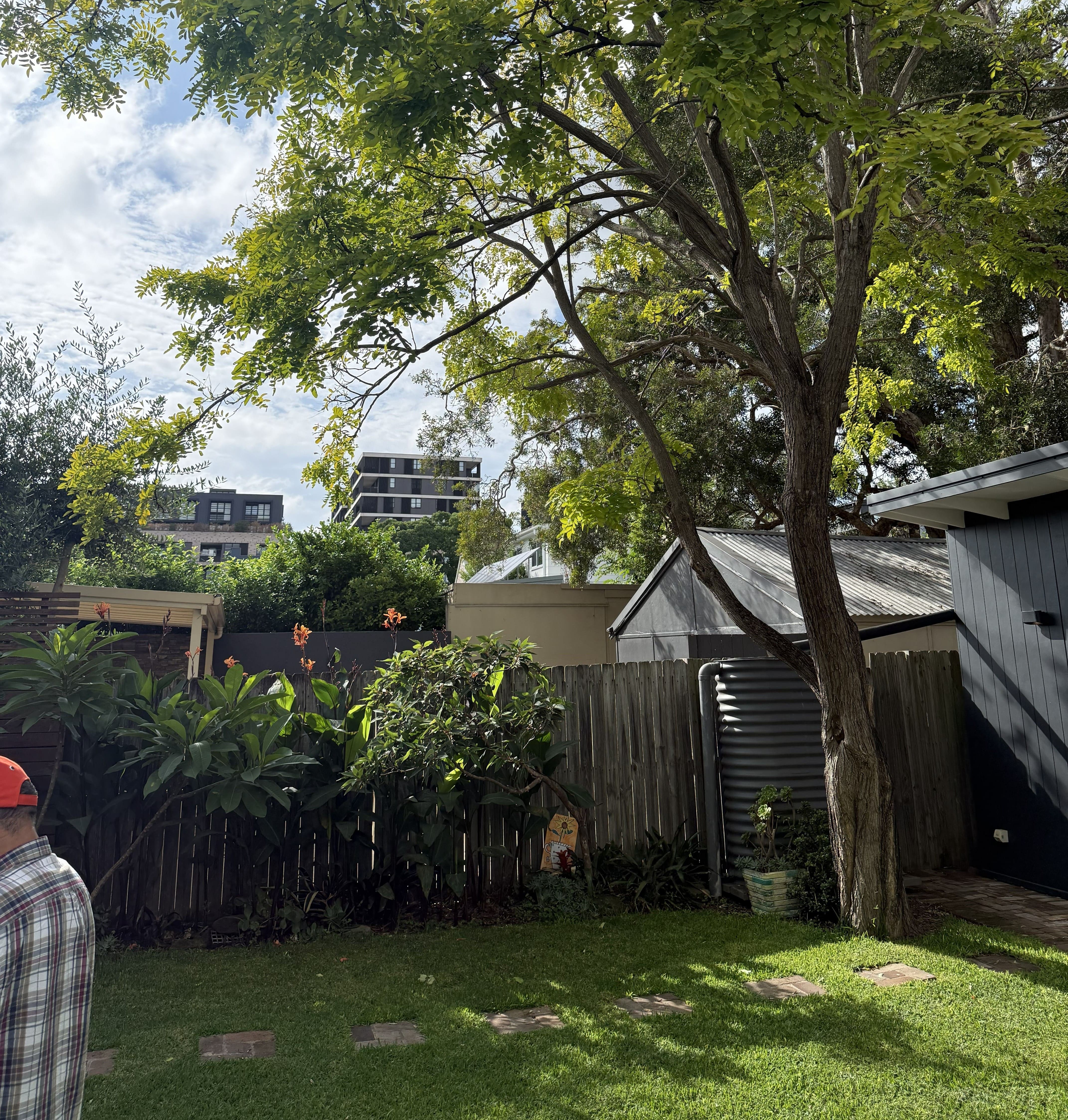
I recently watched an auction in Leichhardt in Sydney’sInner West. It was a fully renovated house with open-plan living and adecent-sized backyard. The street itself was good quality, although thelocation wasn’t perfect. It sat in one of the busier pockets of Leichhardt.
The guide was $2.7 million and it drew a big crowd, althoughhalf the people there were talking amongst themselves, so they were probablyjust neighbours.
Once the auction started, silence followed and nobody wantedto make the opening bid.
We see this all the time at auction bidding in the InnerWest, and honestly, it rarely makes much sense. If you’re there to buy theproperty and you’ve already done your research, why be so hesitant to put thefirst bid in?
A lot of first home buyers think the opening bid putspressure on them, but often it does the opposite. Once you place a bid, thepressure shifts to the other buyers to decide what they’re going to do next.
That’s why I usually think it’s better for buyers to getinvolved early rather than standing there overthinking every move. Holding thebid can actually help settle your nerves because you become part of the auctioninstead of building the moment up in your head.
Eventually, someone opened strongly at $2.8 million and thewhole auction came to life.
Another bidder came in at $2.85 million while agents quietlymoved around speaking with buyers. The auctioneer then announced they wouldtake bids in $25,000 rises.
One buyer jumped straight to $2.9 million instead ofincreasing by only $25,000, which was a great power move.
It also had the effect of reducing the confidence of otherbidders, which worked in this case, because another bidder dropped out.
The numbers then moved through $2.925 million, $2.95million, $3 million, and then $3.025 million.
You could see who was comfortable to keep going and who wasreaching their limit from the pauses between bids, side conversations withfamily members, and slower bids.
Once the property was officially announced on the market, afourth bidder jumped in at $3.2 million.
Then it got spicy.
One bidder declared they were completely out, only for afifth bidder to suddenly jump in at $3.23 million. The crowd gasped at the dramabecause by this point, the auction had already been running for 15 minutes andlooked like it was about to finish.
Honestly, late bidding like that often just pushes the pricehigher without changing the outcome. By that stage, the remaining bidders arealready comfortable with bidding, and now they have something to lose after fightingseveral other buyers for 15 minutes and getting their hopes up that their aboutthe buy the property. Fear of loss in action!!
Plus, bidder number five had probably just annoyed biddernumber four, and sometimes ego becomes part of the equation.
It’s also pretty risky to jump in right as the hammer isabout to fall. Even experienced buyers avoid doing that because the risk of theauctioneer not hearing or seeing the bid simply isn’t worth it.
So anyway, bidder number four had clearly had enough. Theyskipped the smaller rises and jumped straight to $3.25 million to shut down thelate competition from bidder number five.
Sold under the hammer in Leichhardt for $3.25 million.
There were a few good lessons in this auction for first homebuyers preparing to bid in Sydney’s Inner West. The Inner West can becompetitive with first home buyers, upgraders, and downsizers all competing forthe same properties, so it’s worth practising your bidding strategy beforehandor having someone experienced handle the auction bidding process for you.

Similar articles

.png)
Heading
Looking to buy in the Inner West?
Book a 15 minute call and we’ll talk through what you’re looking for, the areas you’re considering, and how to approach the search.